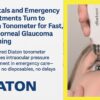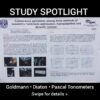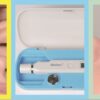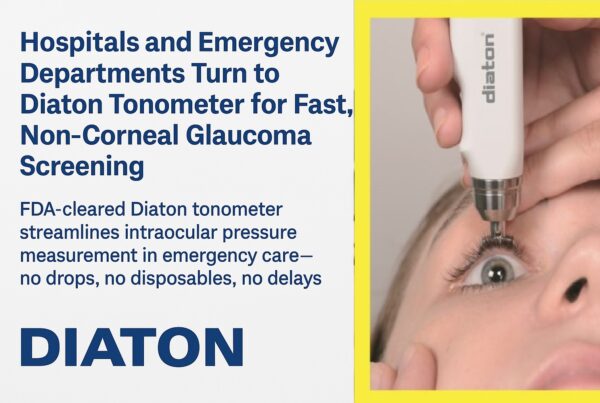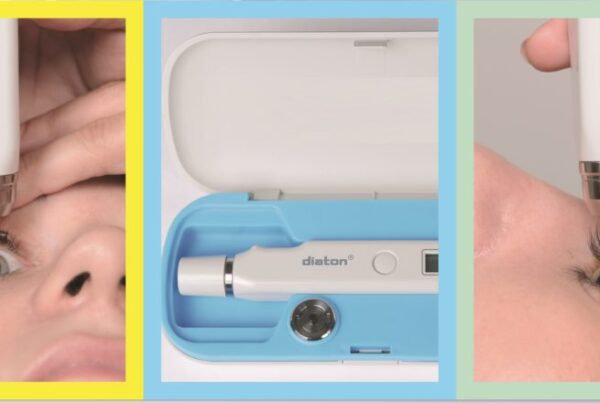
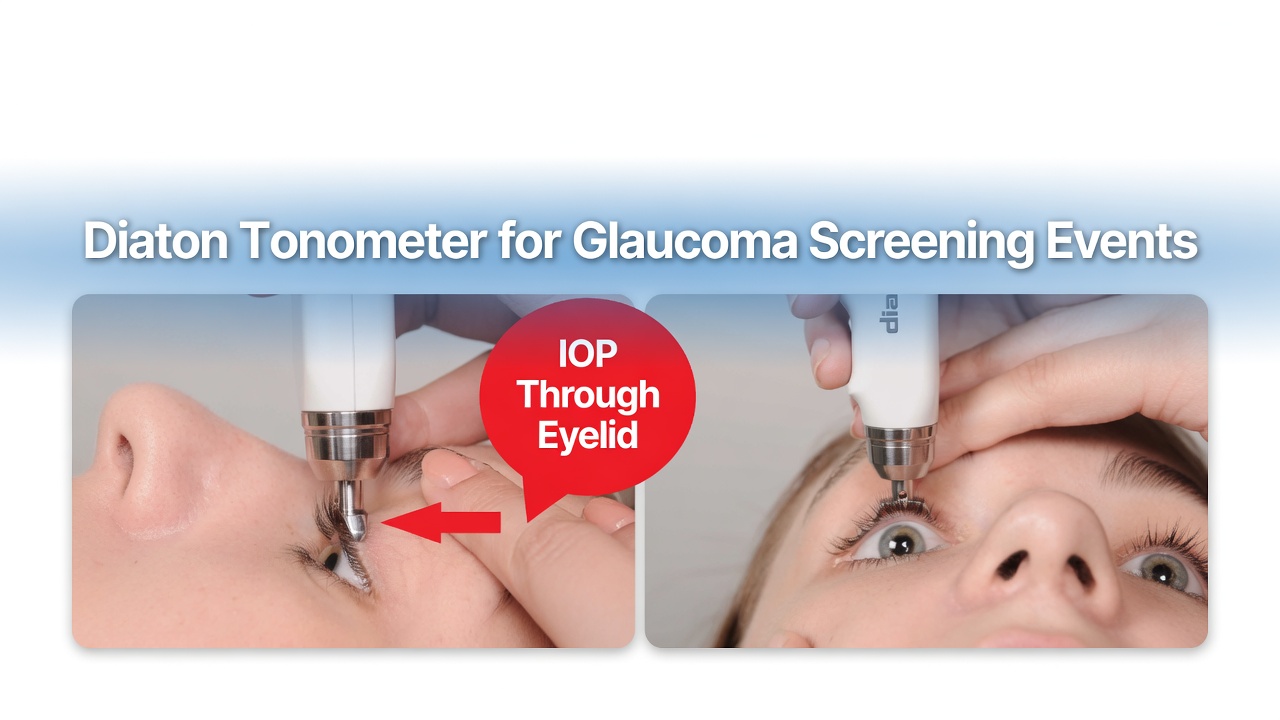
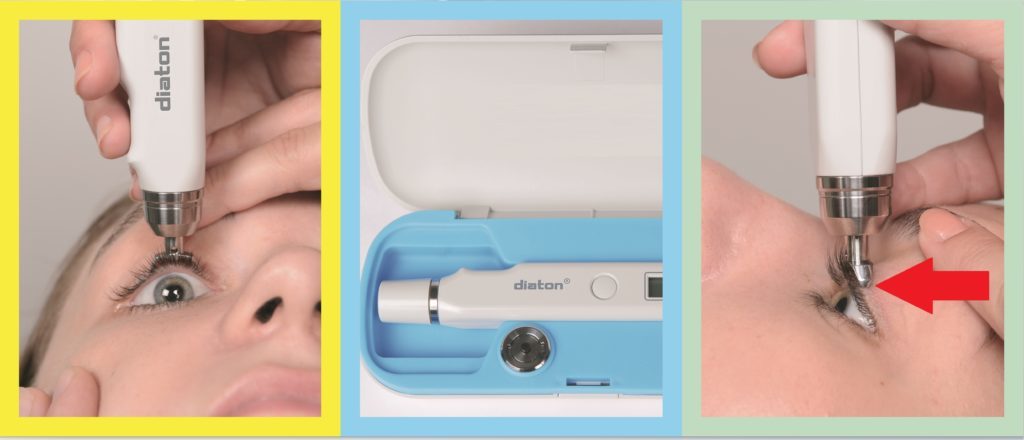
Glaucoma screening events help detect high eye pressure before vision loss occurs. However, some programs still use traditional corneal tonometers, which can create logistical problems during busy events. The Diaton tonometer measures intraocular pressure (IOP) through the upper eyelid and sclera without touching the cornea. This makes it especially effective for different types of glaucoma screening programs.
Types of Glaucoma Screening Events Where Diaton Performs Well
Diaton tonometer works effectively across many different screening formats:
- Corporate and workplace wellness programs — Quick on-site screenings with no downtime for employees.
- Community health fairs and public events — High-volume screening where speed and patient comfort matter.
- School and university screenings — Gentle testing suitable for younger participants.
- Remote and rural outreach programs — Ideal when access to supplies and equipment is limited.
- Mobile clinics and health vans — Highly portable with no need for consumables.
- Military and veteran health screenings — Efficient testing in structured or deployment settings.
- Senior centers and assisted living facilities — Comfortable for older adults, including those with dry eyes or corneal issues.
- Occupational health programs — Useful for professions requiring regular vision checks.
- Humanitarian and international medical missions — Simple to use with minimal logistical requirements.
Challenges with Traditional Tonometers in Screening Events
Traditional methods (such as Goldmann applanation, rebound tonometry, or air-puff devices) often require:
- Anesthetic eye drops
- Disposable tips or covers
- More complex setup and sterilization
These requirements can lead to several problems during screening events, including running out of supplies, slower patient flow, and reduced participation due to patient discomfort or anxiety.
Key Advantages of the Diaton Tonometer
The Diaton tonometer addresses many of these limitations:
- No consumables required — Unlike traditional devices, Diaton needs no replacement tips, covers, or anesthetic drops. This eliminates the risk of screenings being interrupted due to supply shortages and reduces ongoing costs.
- Works with contact and scleral lenses in place — Patients do not need to remove their lenses, making the process faster and more convenient while lowering contamination risk.
- Non-invasive and comfortable — No corneal contact or air puff means less patient anxiety. Relaxed patients are less likely to produce artificially elevated IOP readings.
- Suitable for abnormal corneas — Provides reliable measurements in patients with corneal scarring, post-LASIK changes, keratoconus, or transplants.
- Zero downtime for participants — Especially valuable in corporate settings, as there is no blurred vision or recovery time after testing.
- Strong infection control — No direct contact with the cornea reduces cross-contamination risk during mass screenings.
- Highly portable and easy to use — Requires minimal training and works in any setting or patient position.
Diaton Tonometer vs Traditional Tonometers
| Feature | Diaton Tonometer | Traditional Corneal Tonometers | Winner for Screening Events |
|---|---|---|---|
| Corneal Contact | None | Required | Diaton |
| Anesthetic Drops Needed | No | Usually Yes | Diaton |
| Consumables (Tips/Covers) | None | Required | Diaton |
| Works with Contact/Scleral Lenses | Yes | Usually No | Diaton |
| Patient Comfort | High | Moderate to Low | Diaton |
| Risk of Running Out of Supplies | Very Low | Higher | Diaton |
| Suitable for Abnormal Corneas | Yes | Limited | Diaton |
| Downtime After Testing | None | Possible (due to drops) | Diaton |
| Portability | Excellent | Moderate | Diaton |
When to Use Diaton for Glaucoma Screening
Diaton is especially effective when:
- High patient volume is expected
- Screening takes place in remote, mobile, or resource-limited settings
- Many participants wear contact or scleral lenses
- Organizers want to minimize supply logistics
- Patient comfort and quick throughput are priorities
- Some participants have corneal conditions
Conclusion
The Diaton tonometer provides clear practical advantages for glaucoma screening events. Its non-invasive design, lack of consumables, ability to test patients with contact lenses, and minimal impact on participants make it more efficient and versatile than traditional methods across corporate, community, remote, military, and mobile screening programs. By reducing logistical barriers and improving the screening experience, Diaton helps organizations conduct more effective and inclusive glaucoma screening events.
To learn more about Diaton Tonometer visit: www.TonometerDiaton.com or contact 1-877-342-8667